
Welcome to a world of timeless elegance and precision craftsmanship.
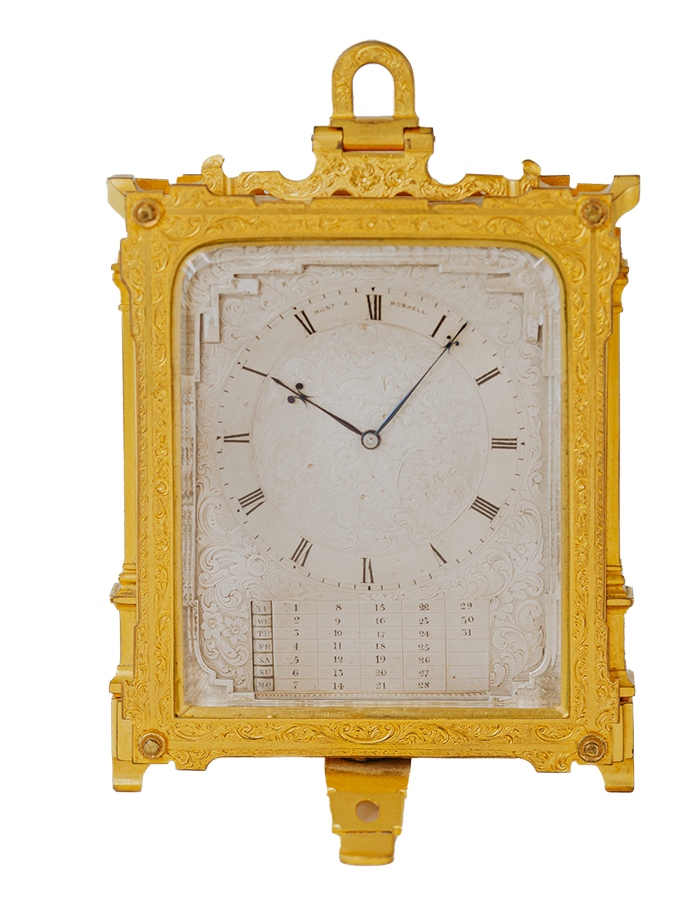
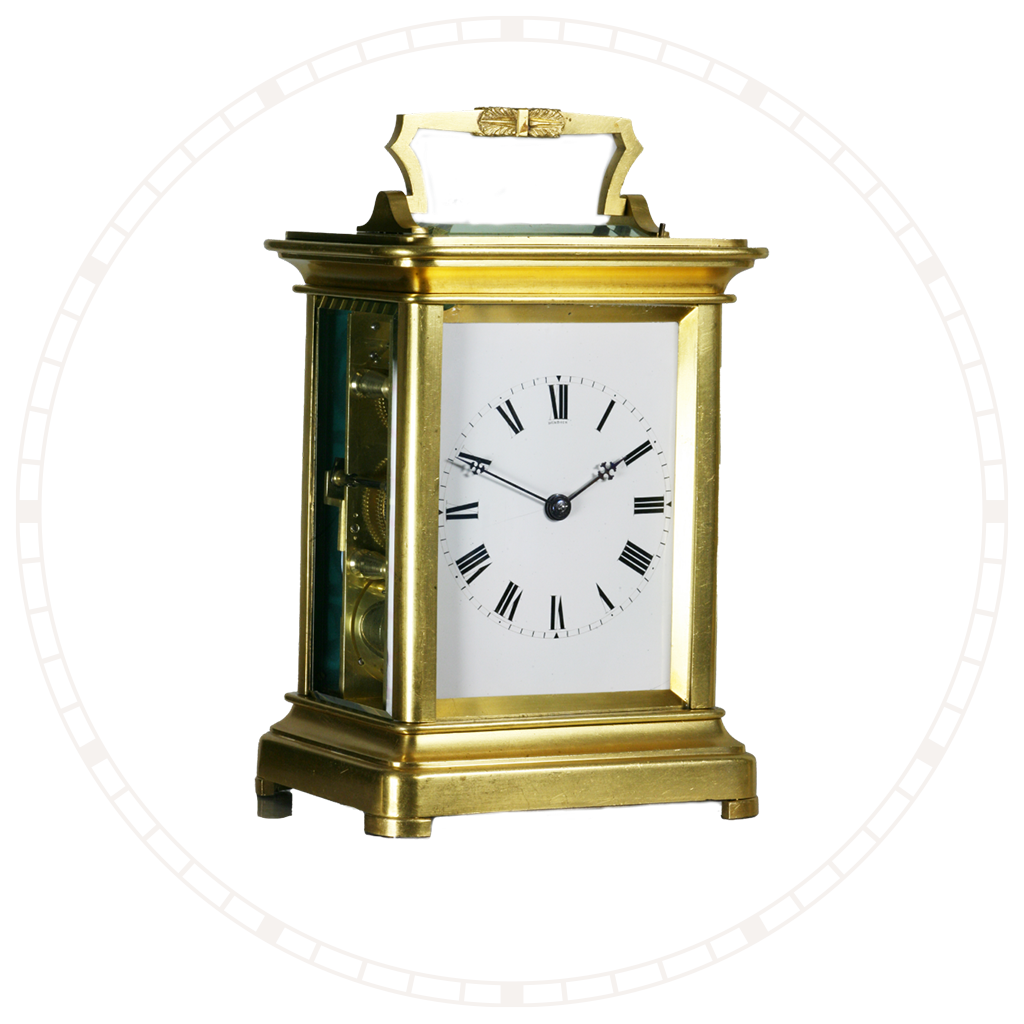
At Patric Capon Fine Antique Clocks, for the past 40 years, we have been dedicated to buying and selling a collection of exquisite antique timepieces that transcend generations.
Our interest in horology, coupled with a commitment to preserving the artistry of the past, has made us a premier destination for discerning collectors and enthusiasts alike.
Browse our collection
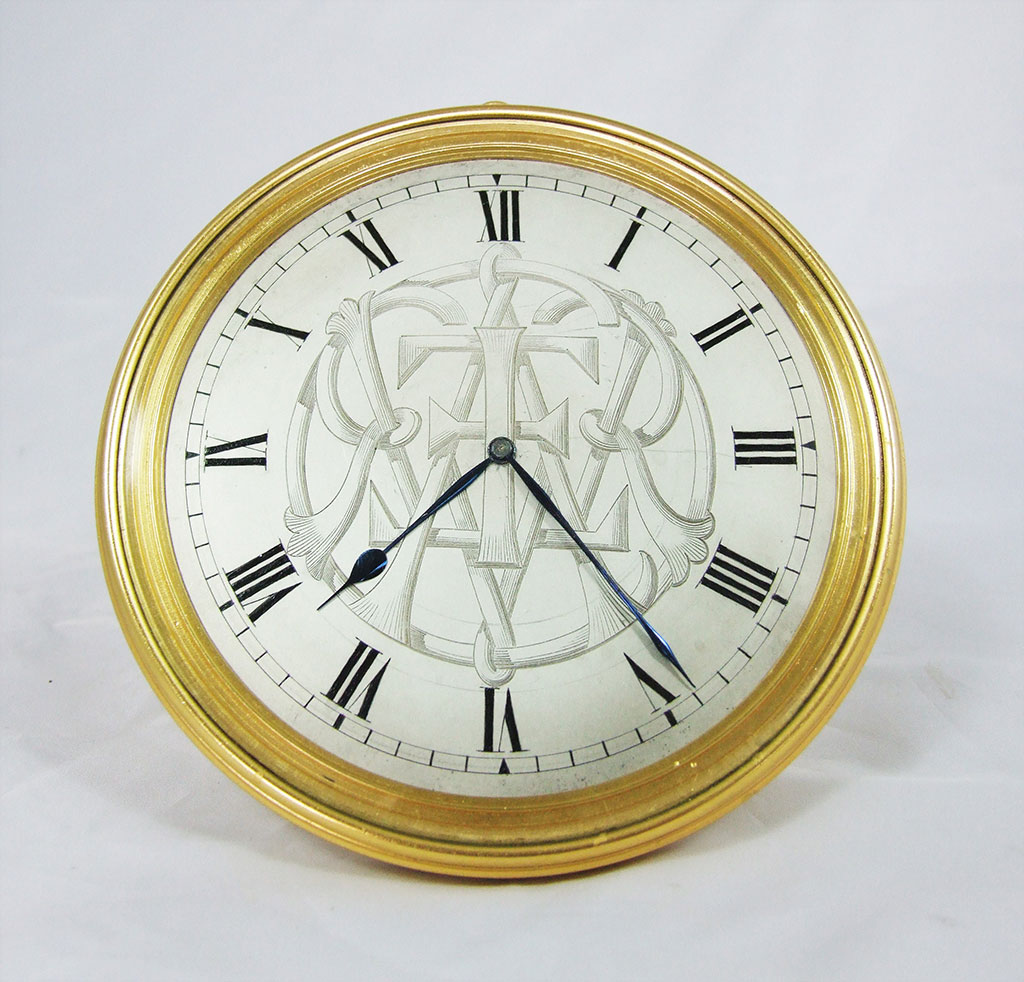
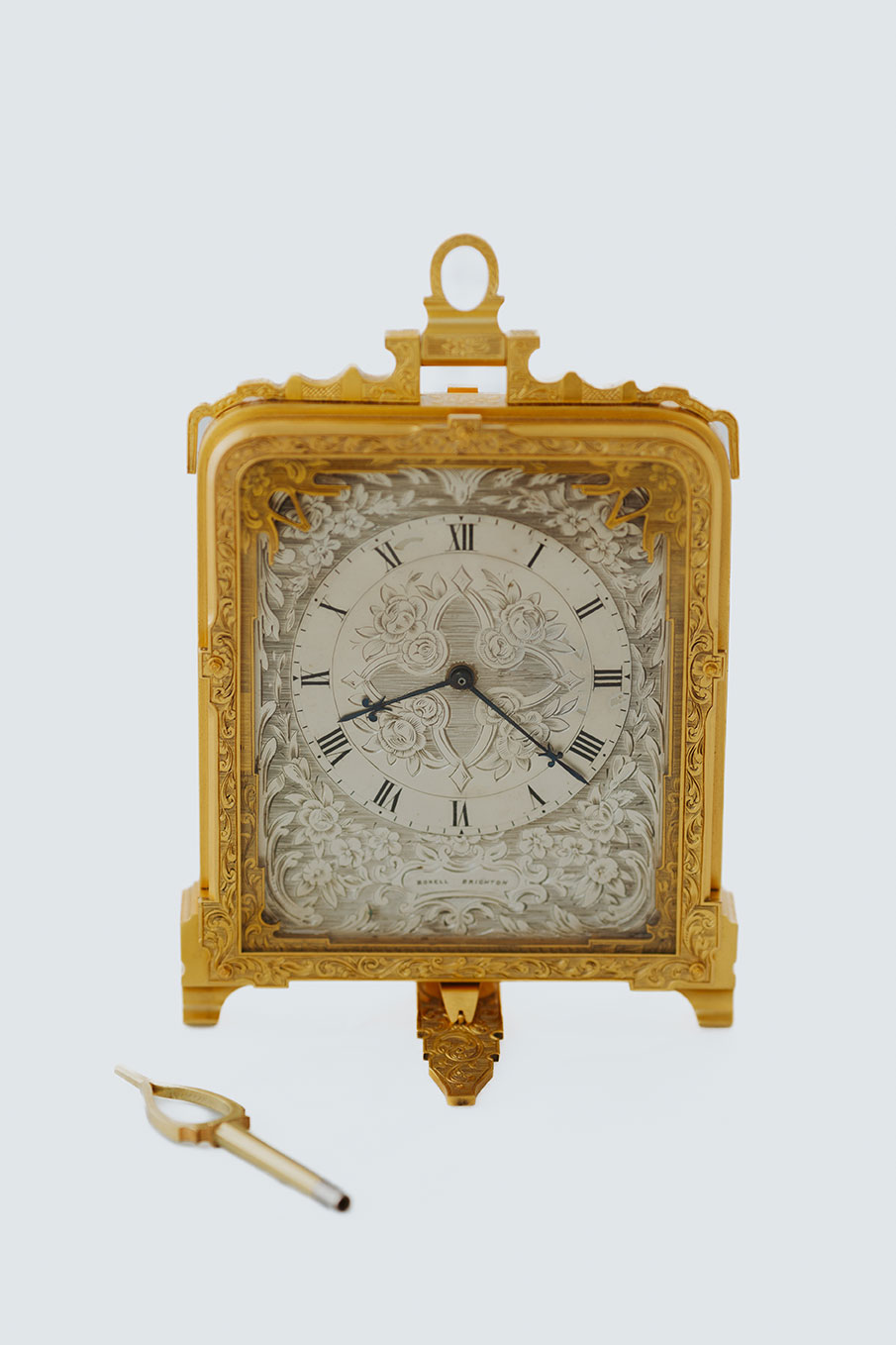
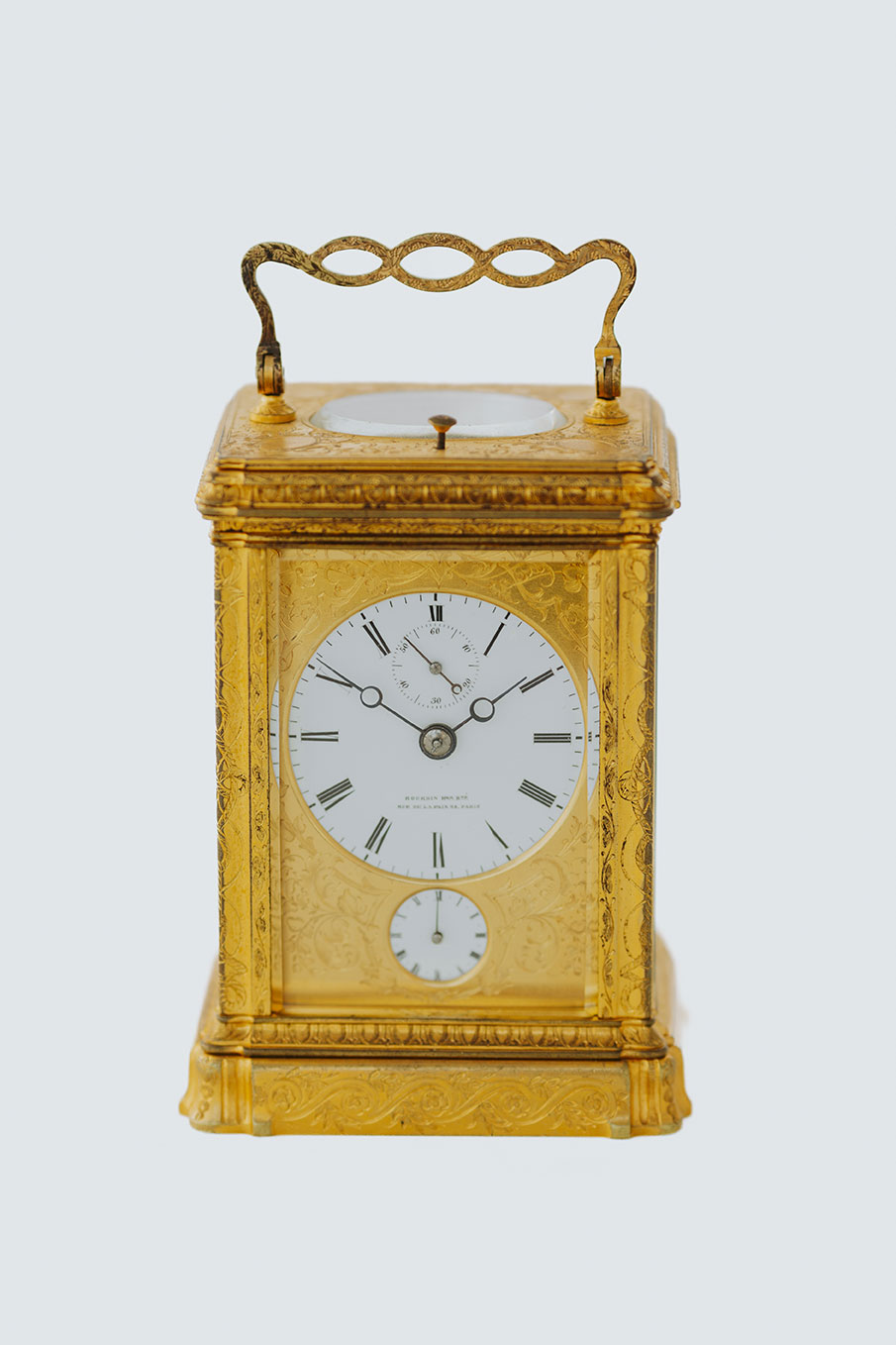
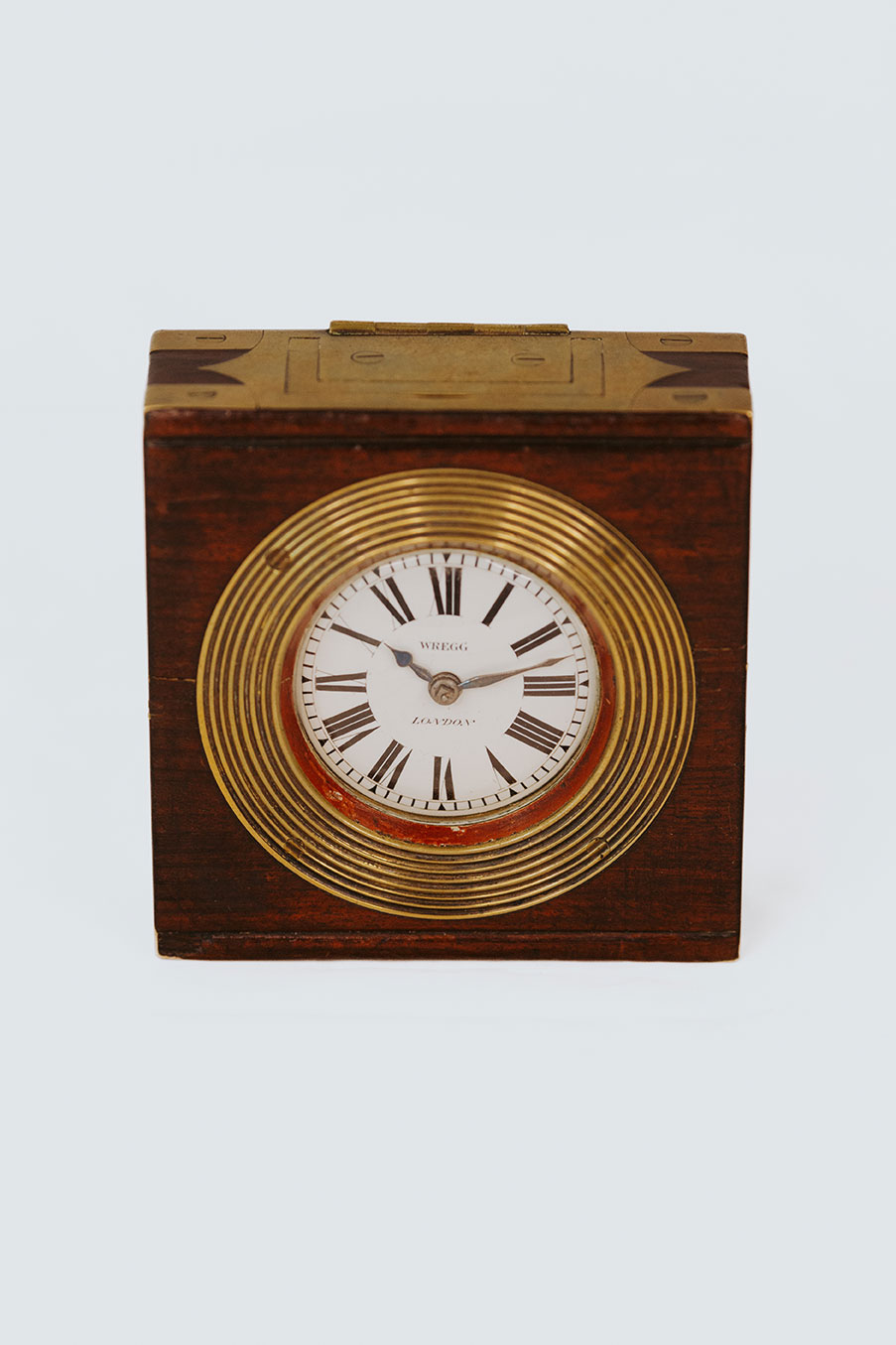
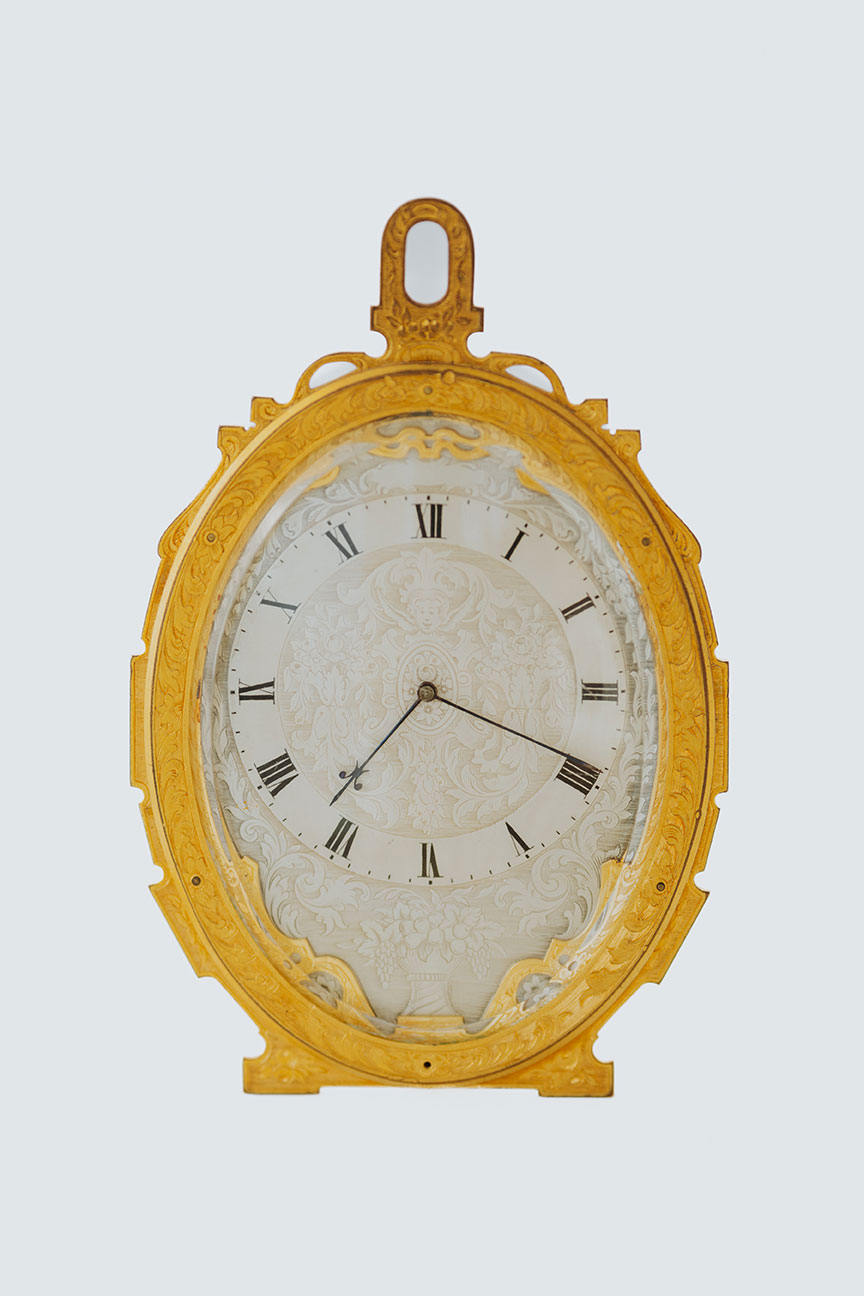
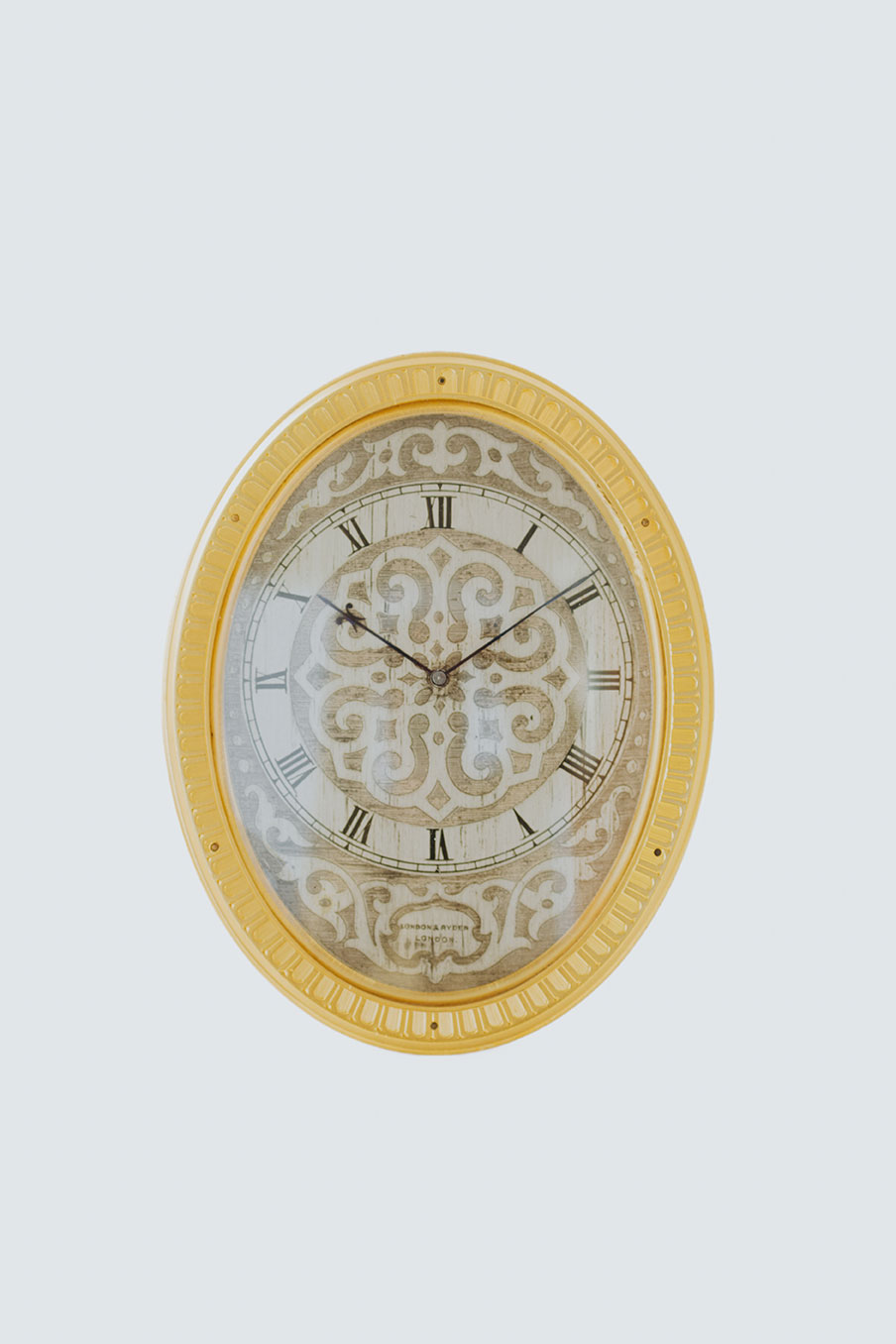
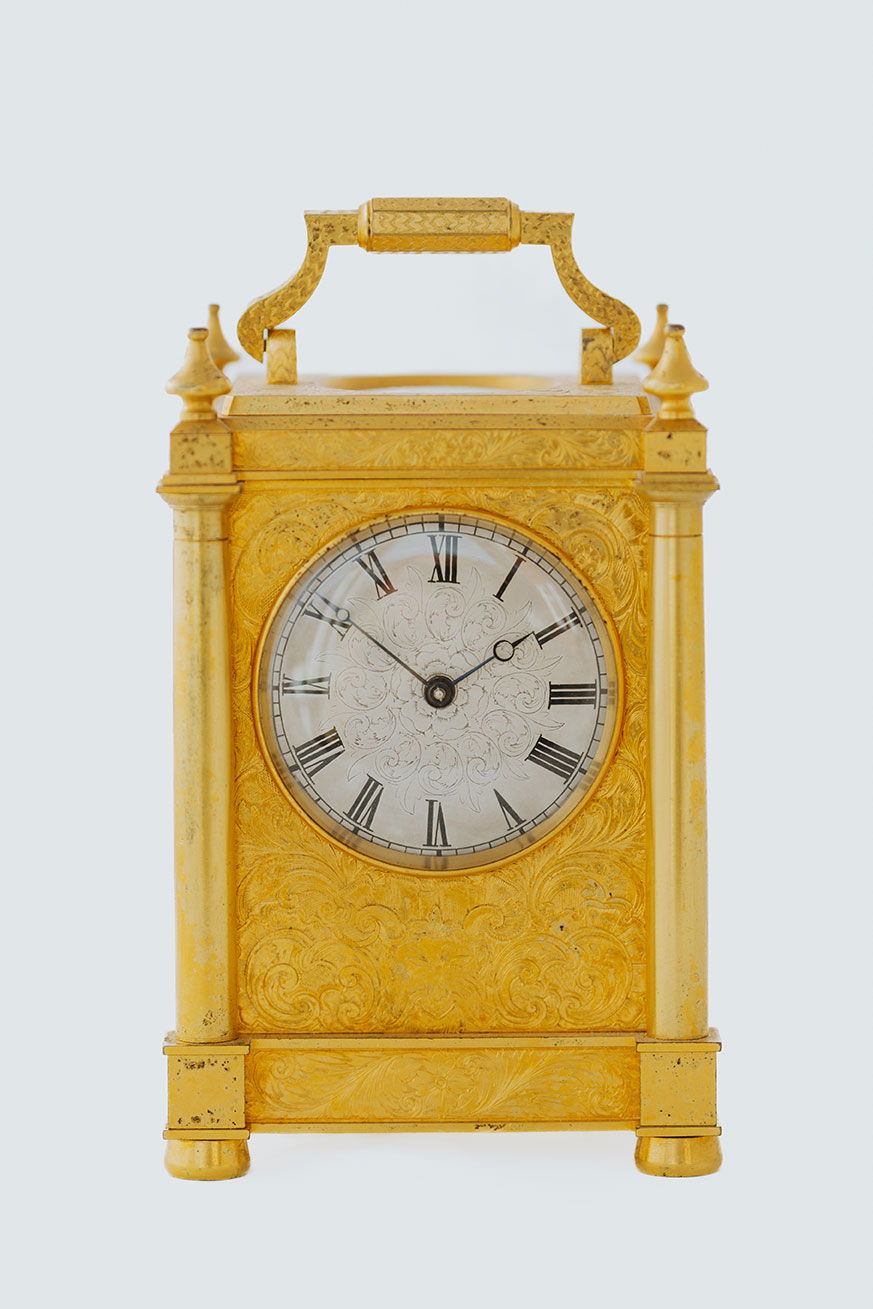
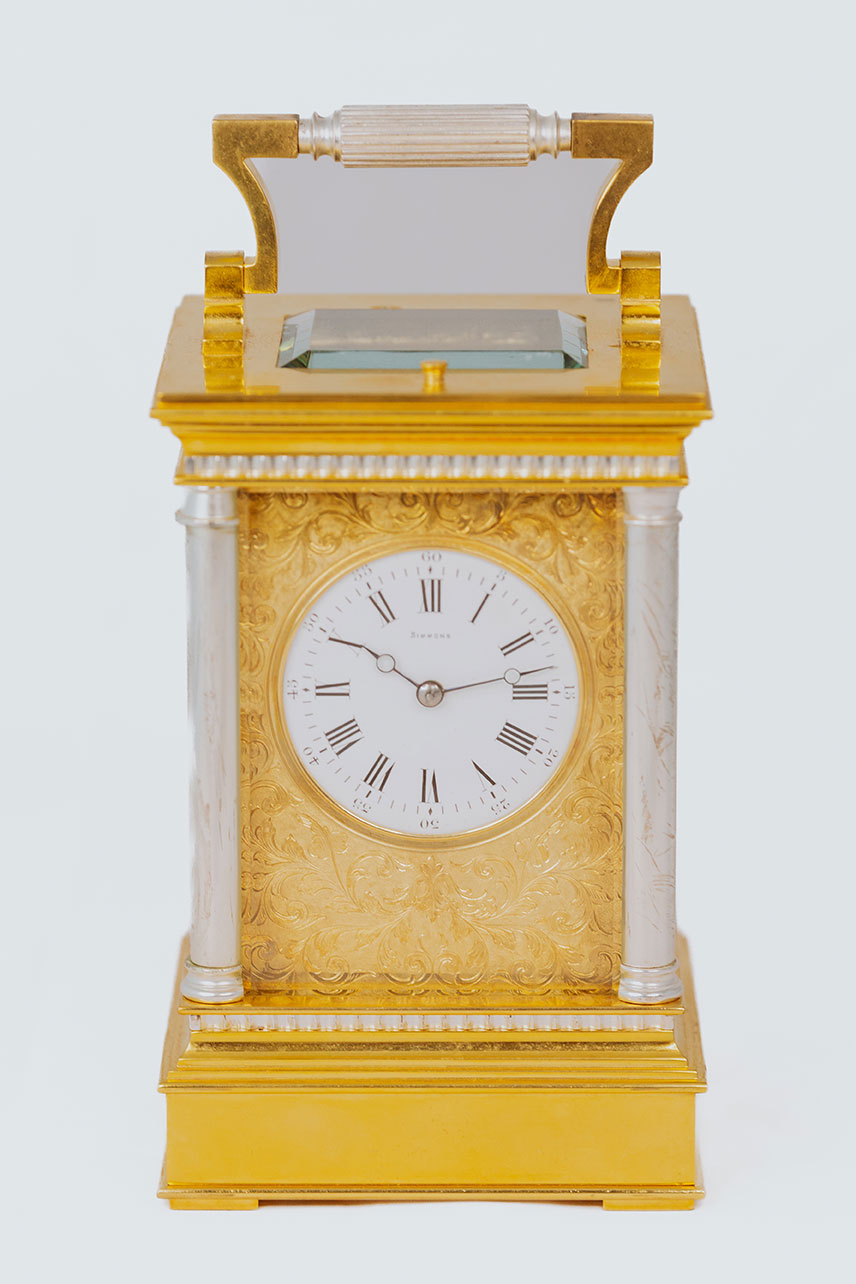
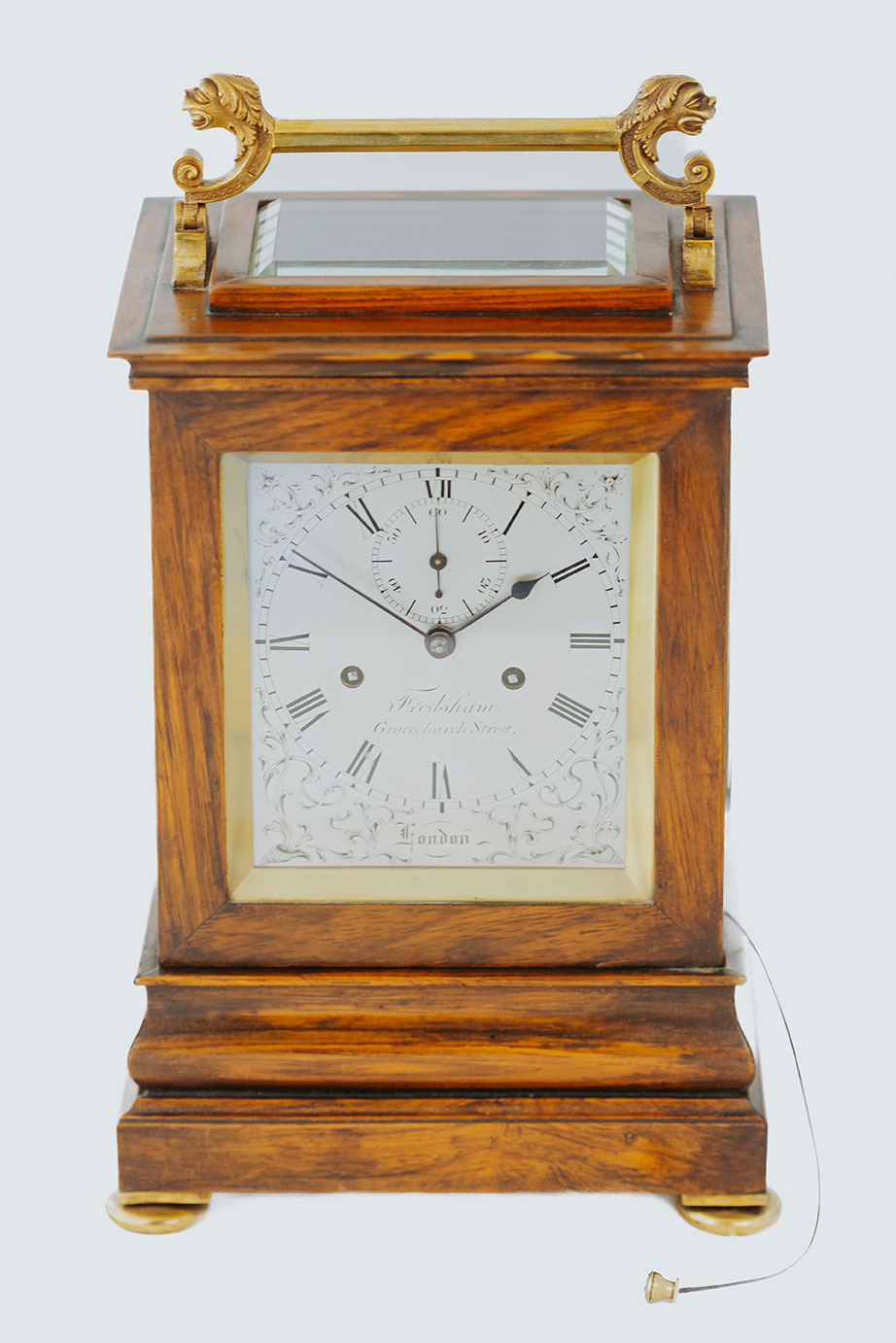
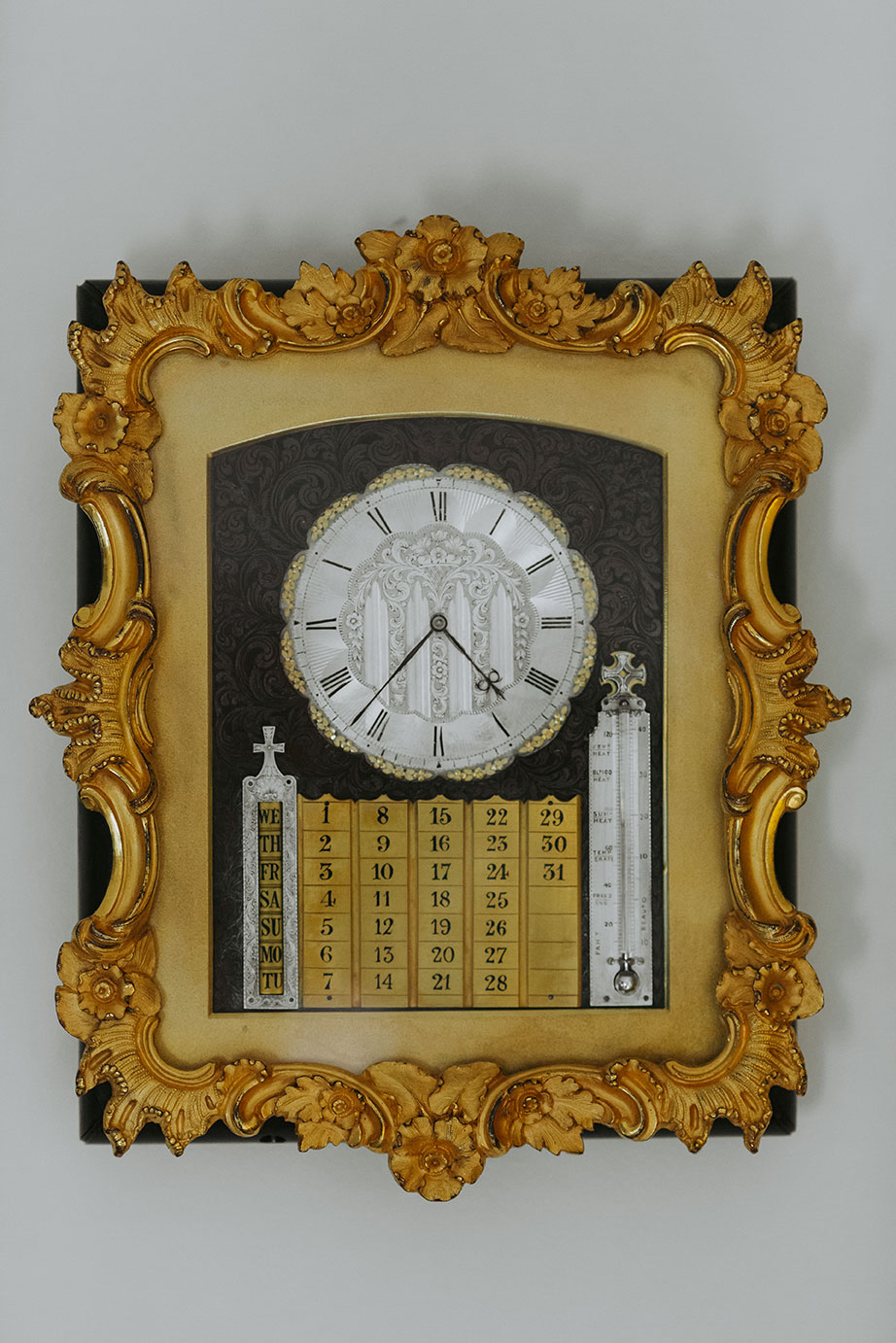
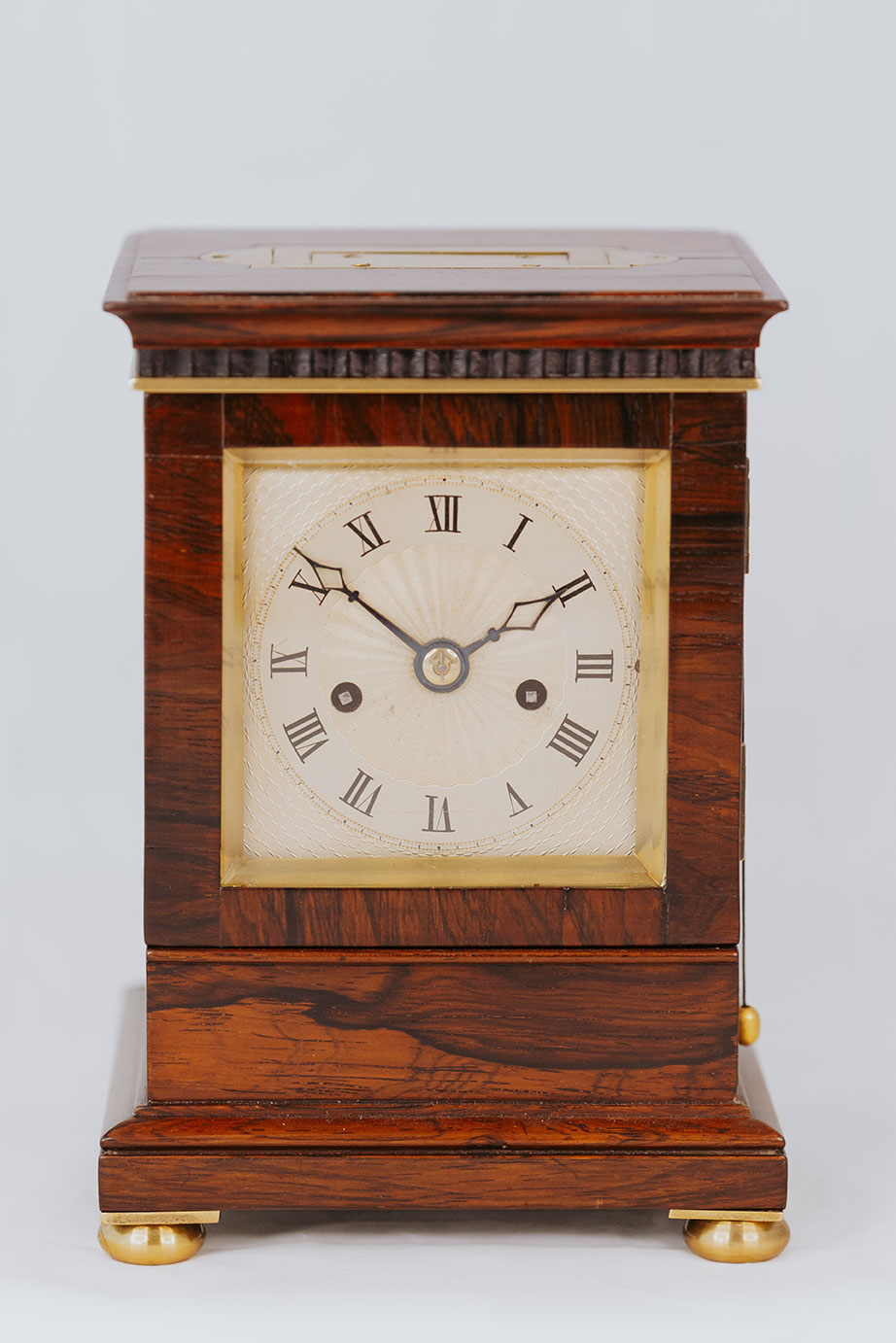
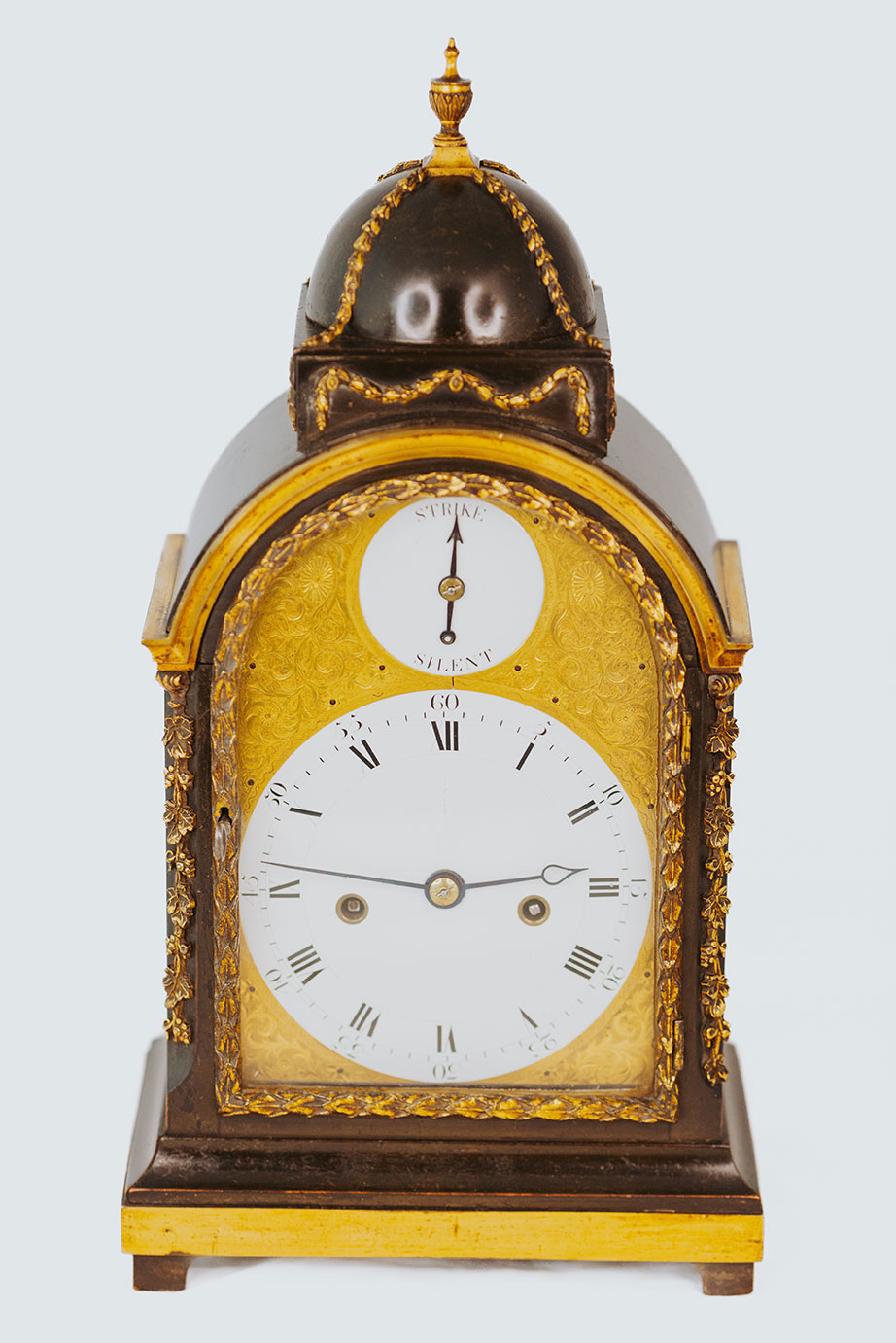
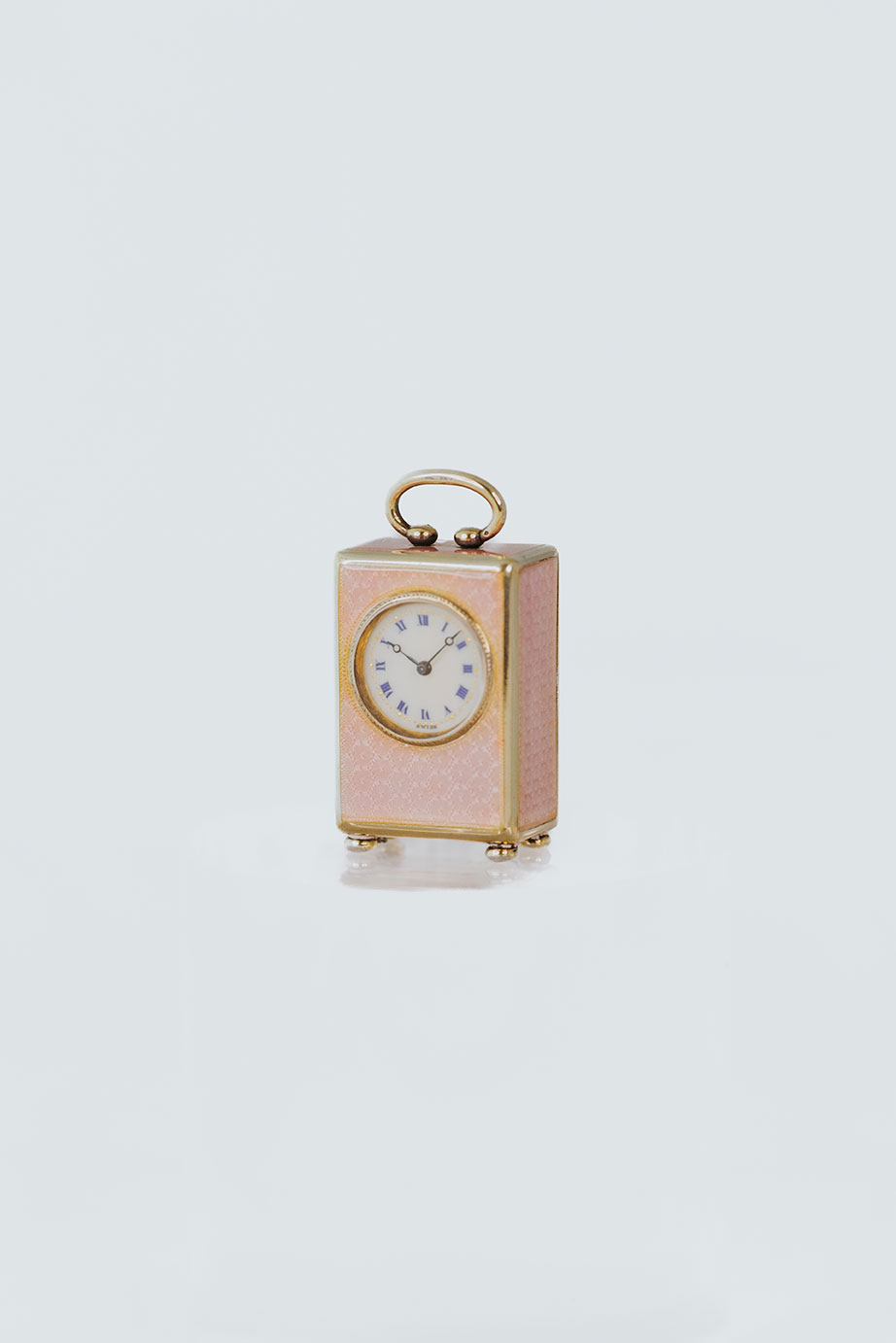
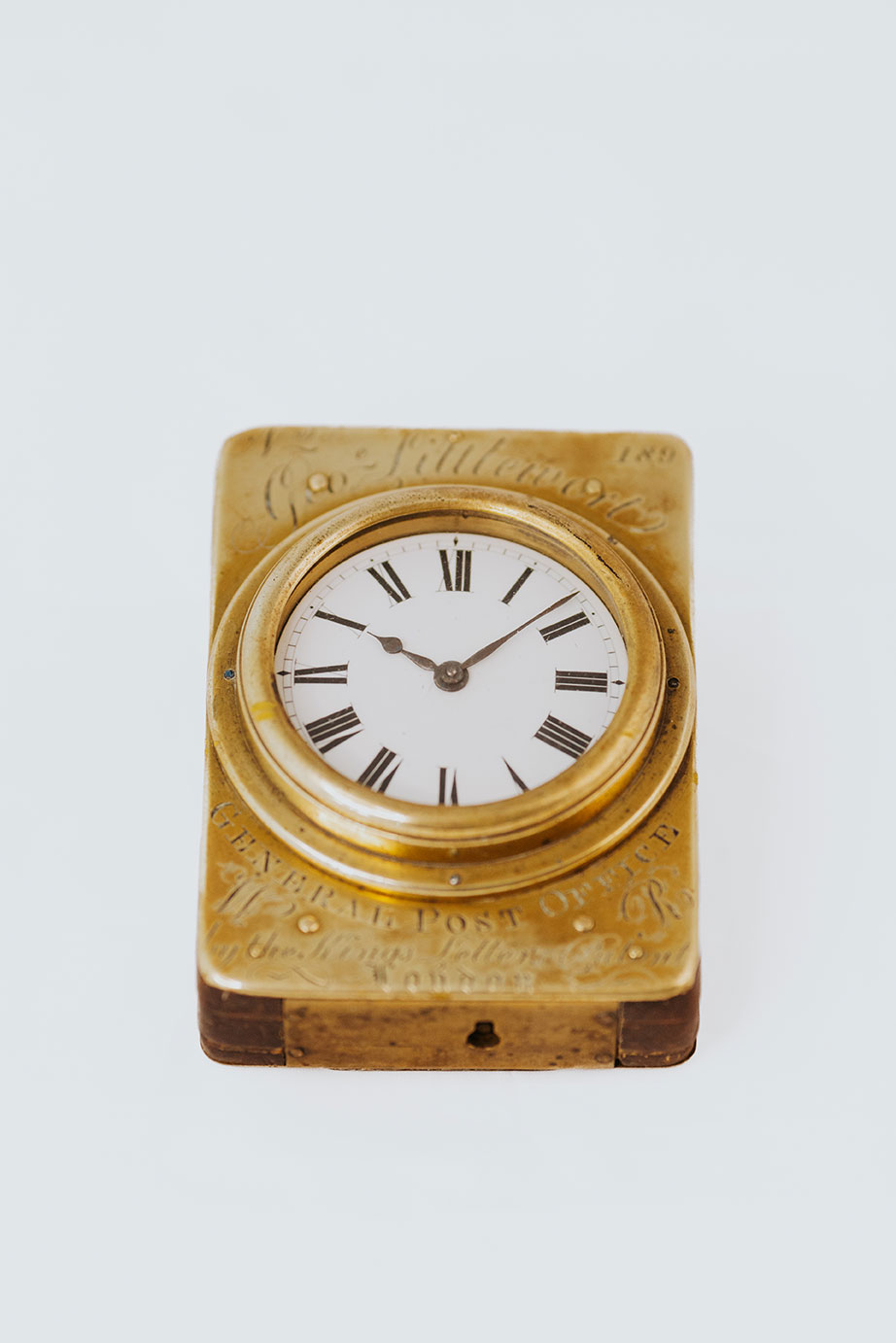
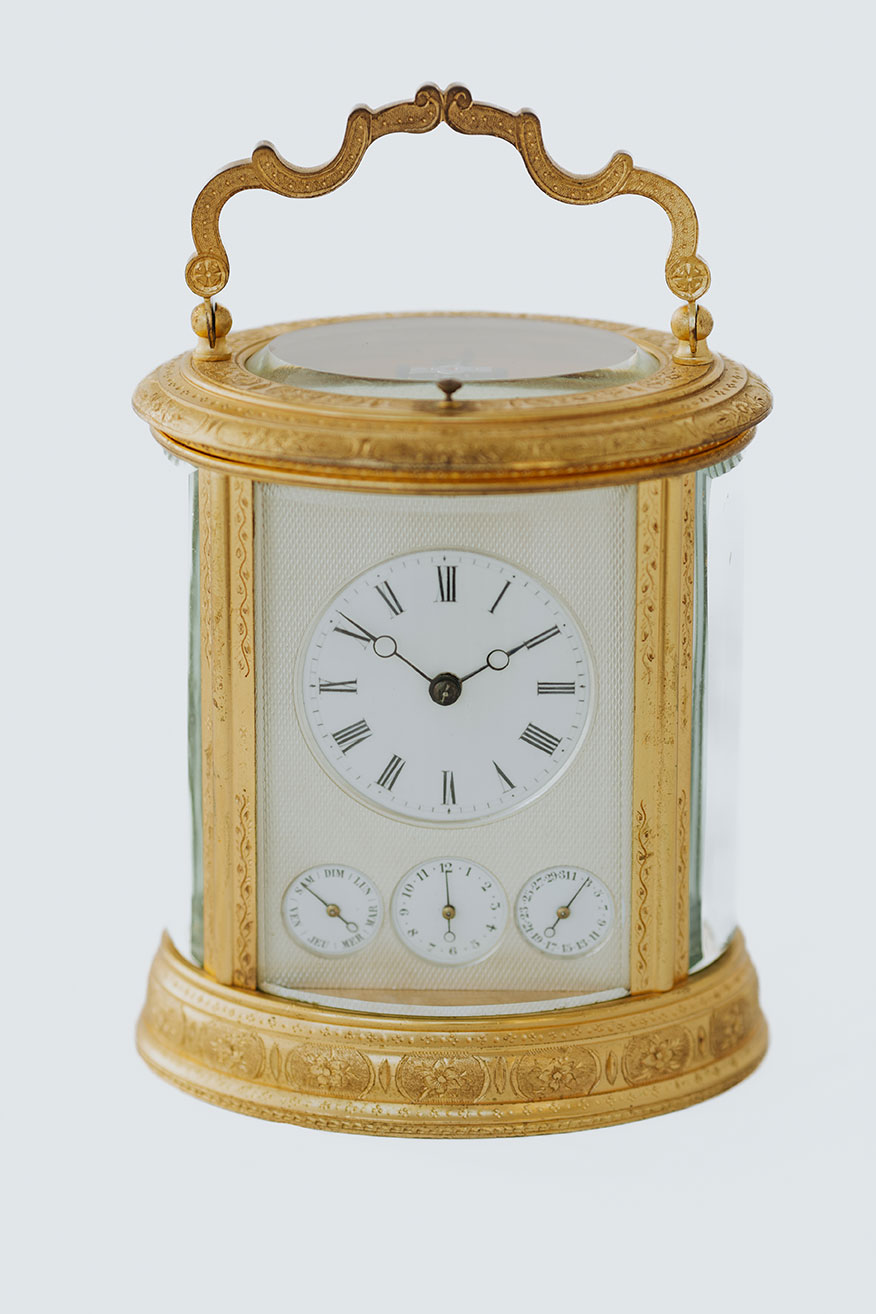
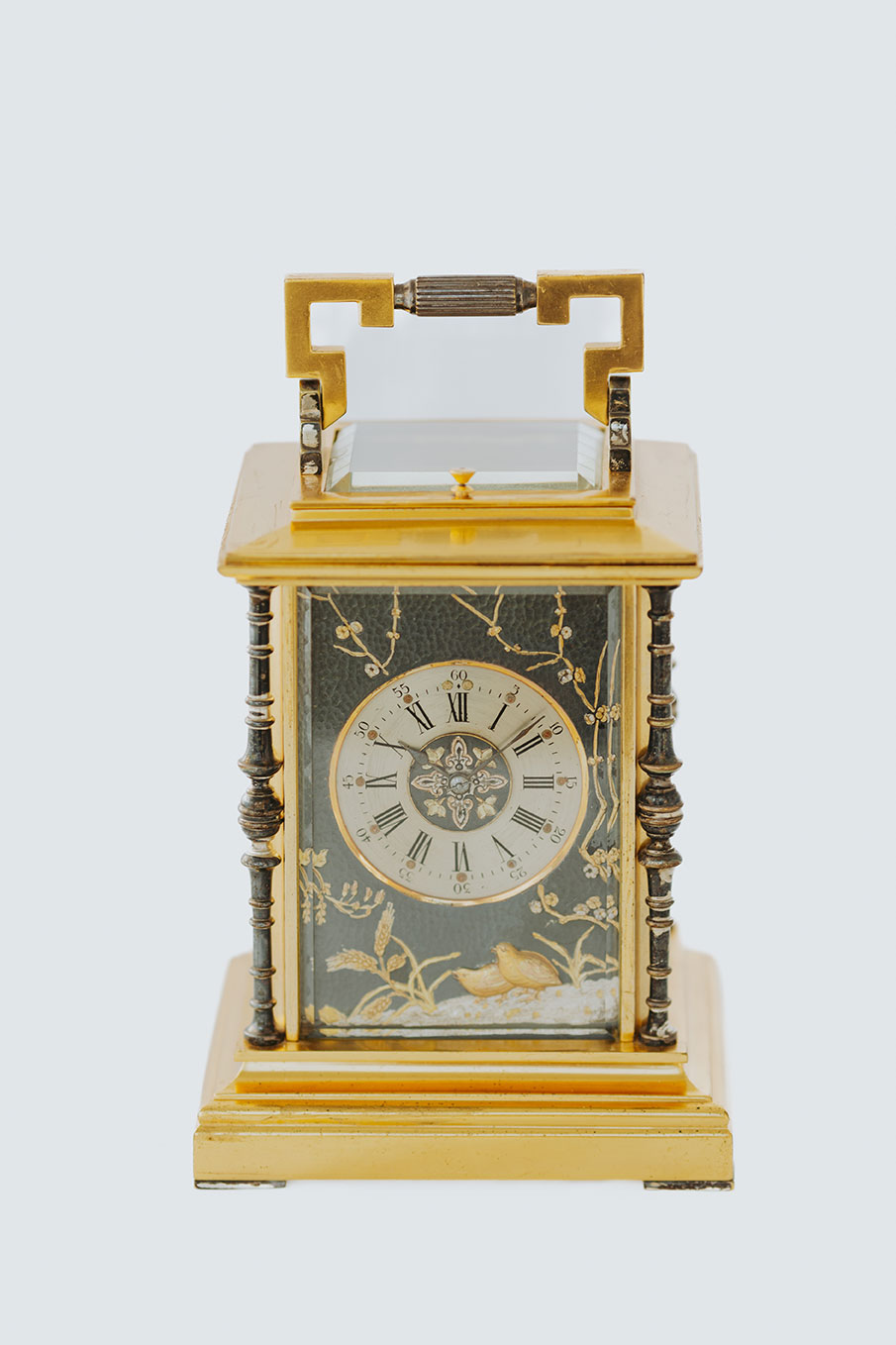
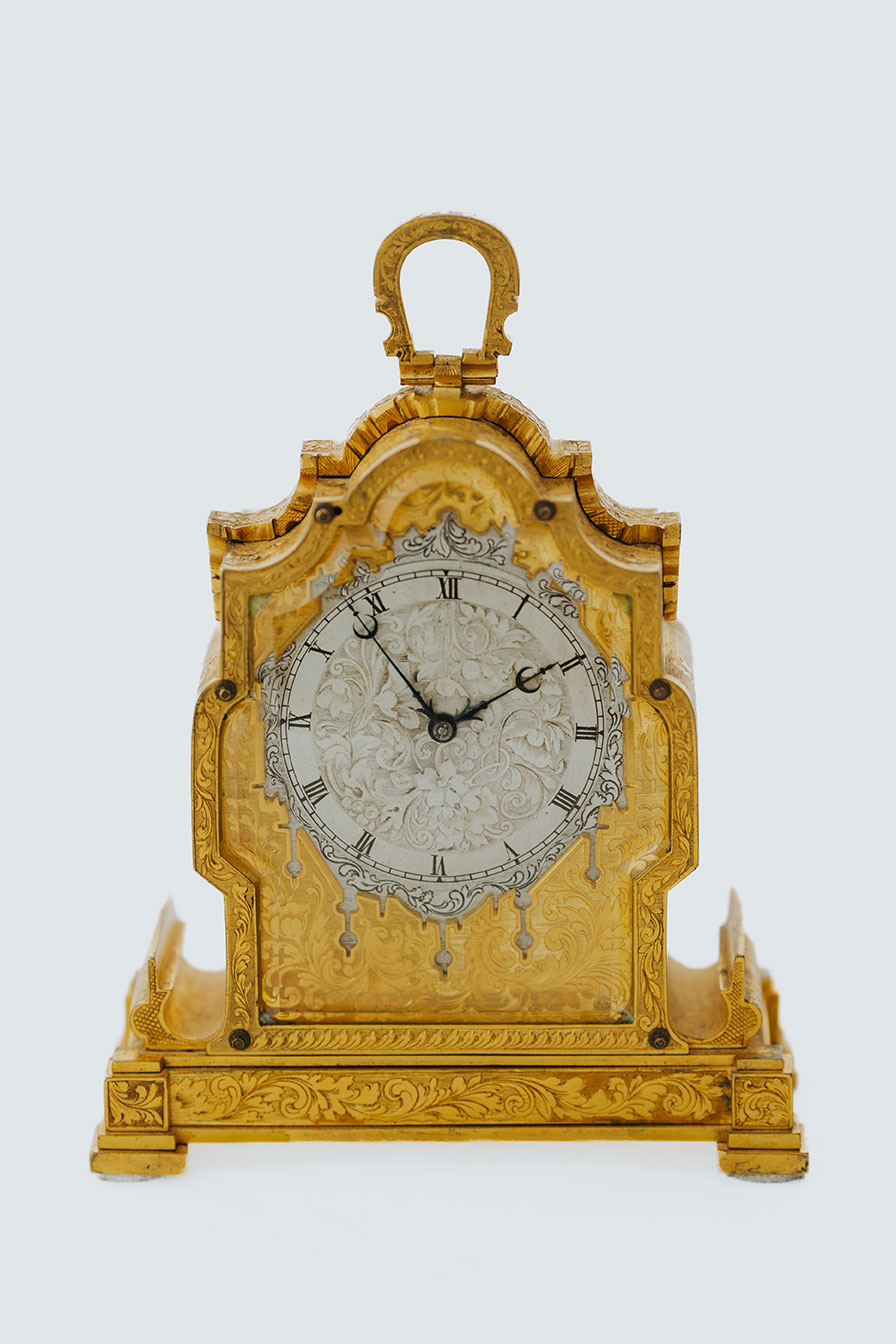
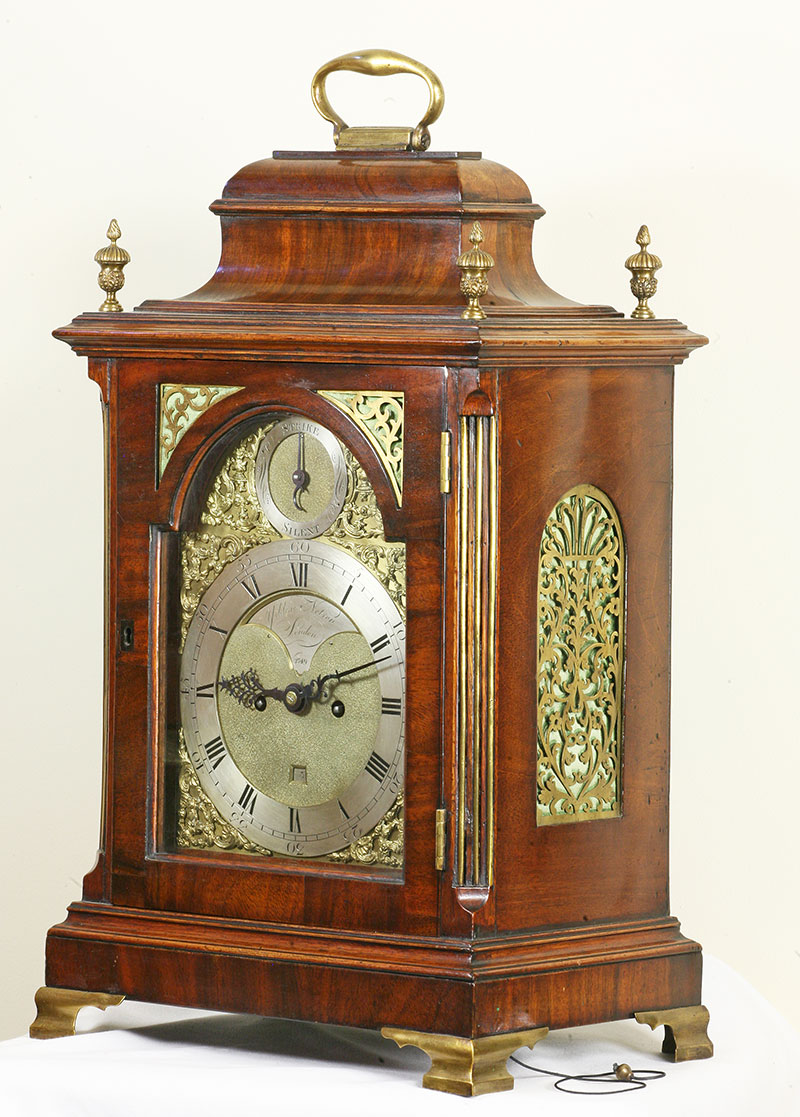
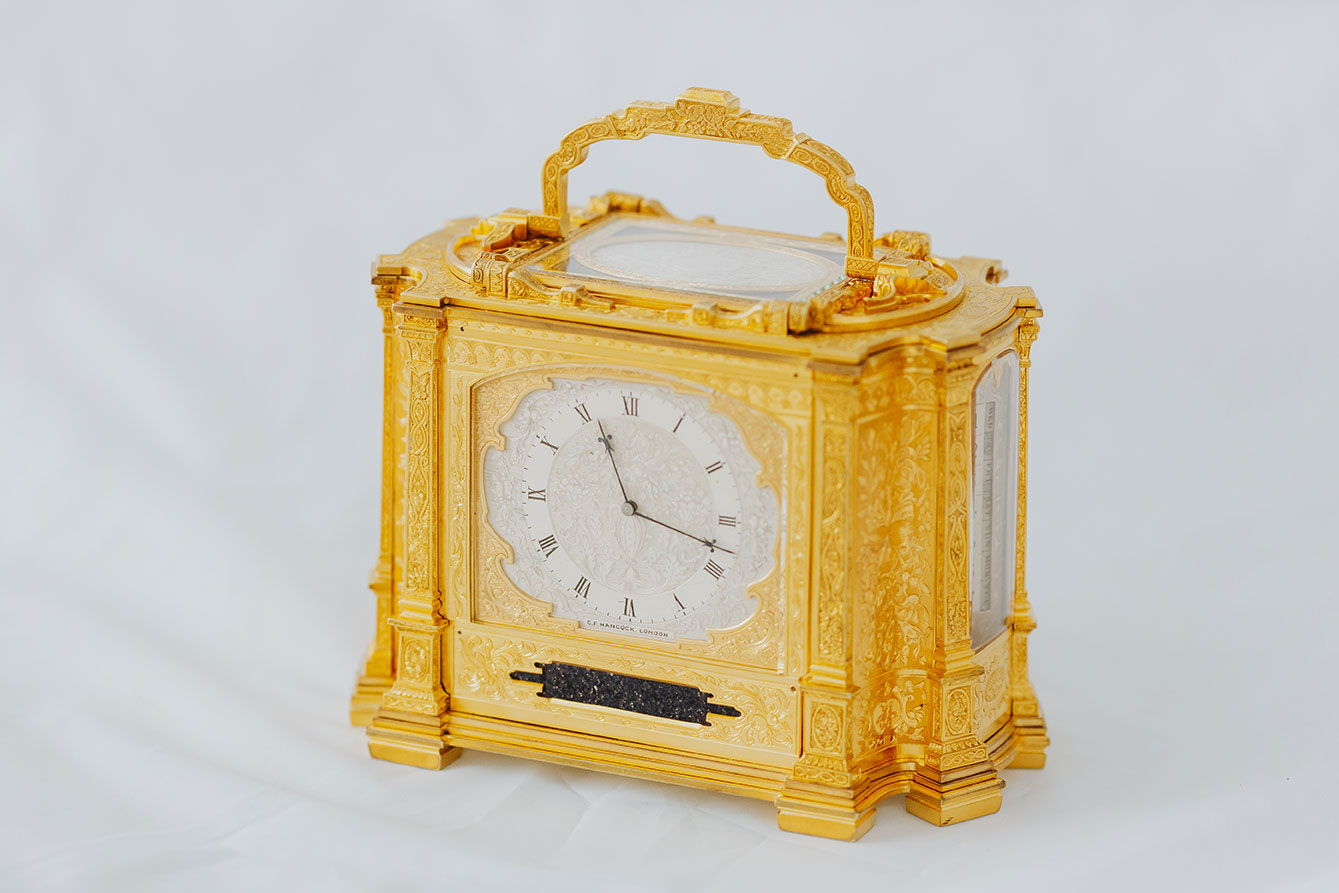
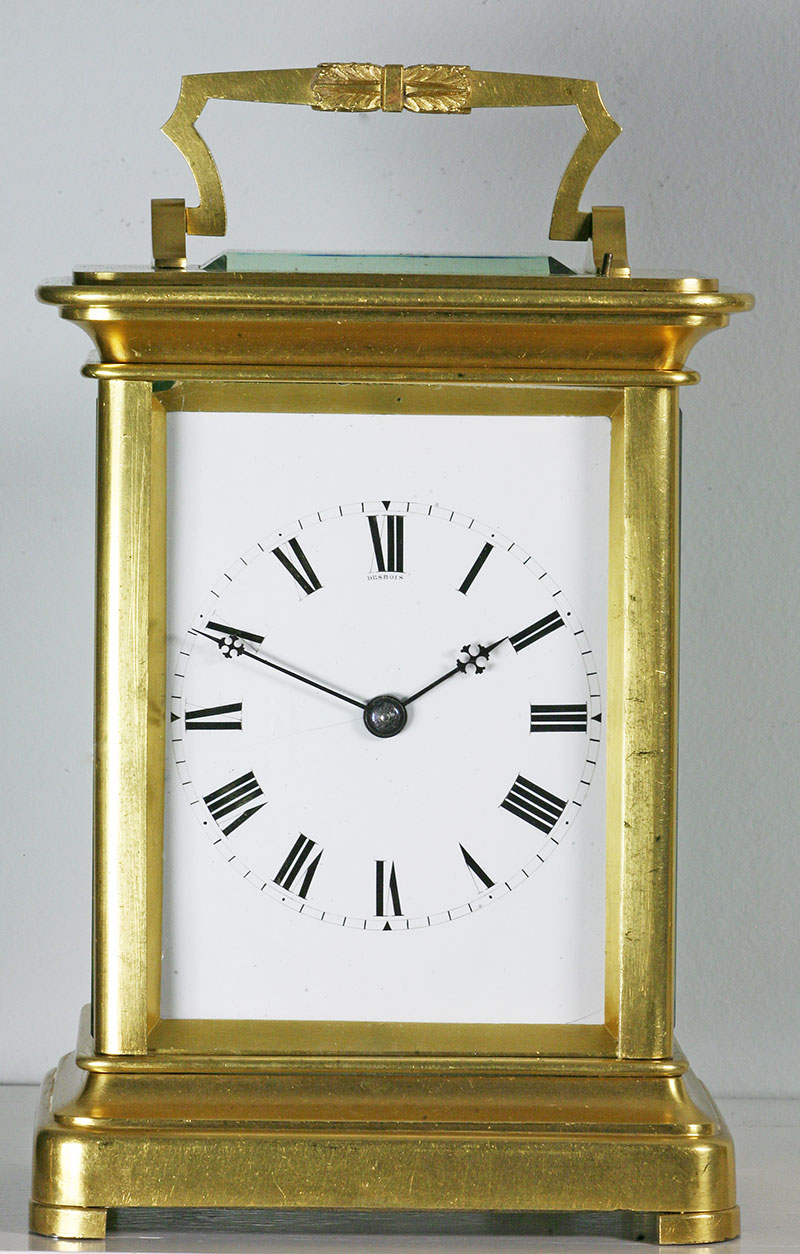
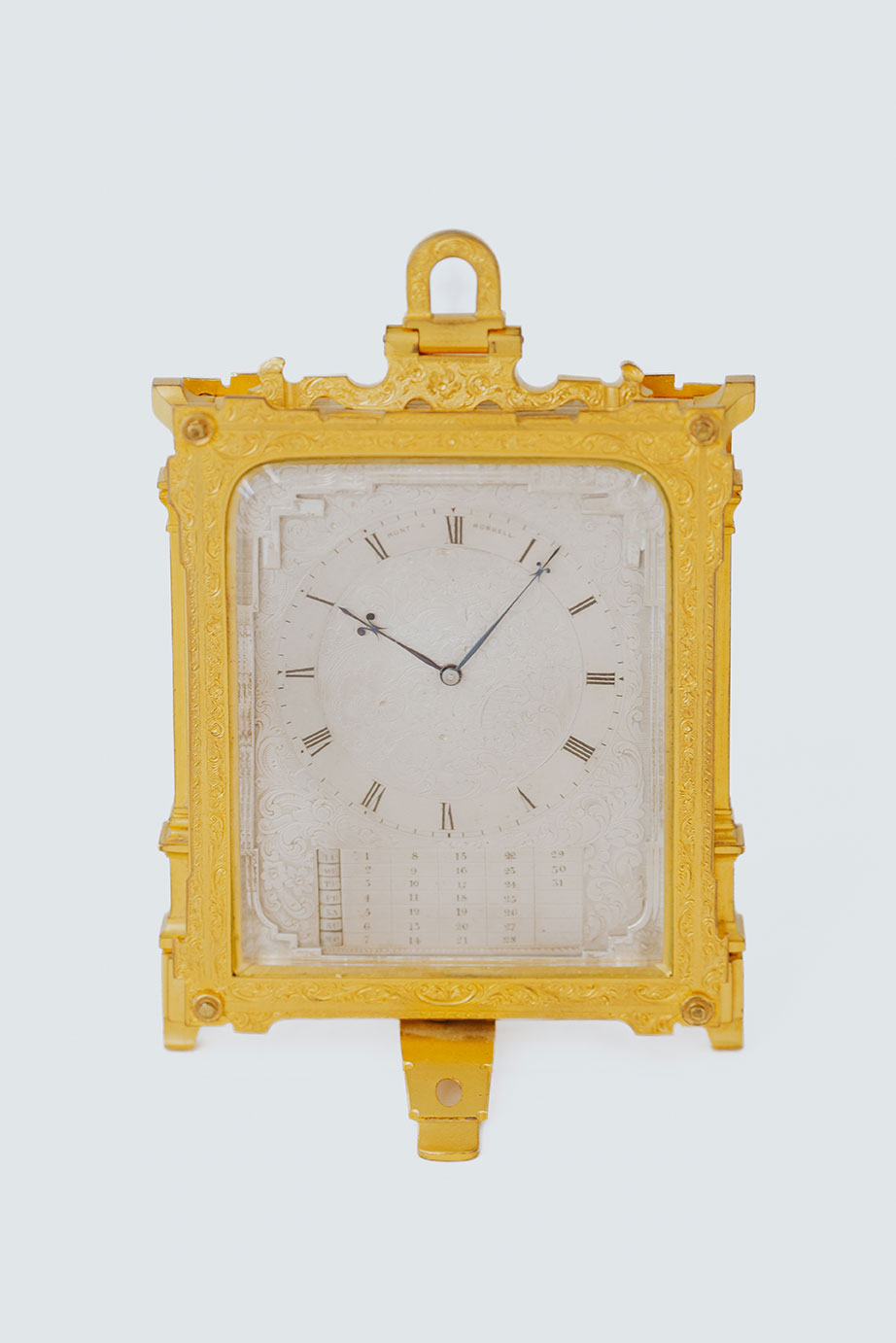
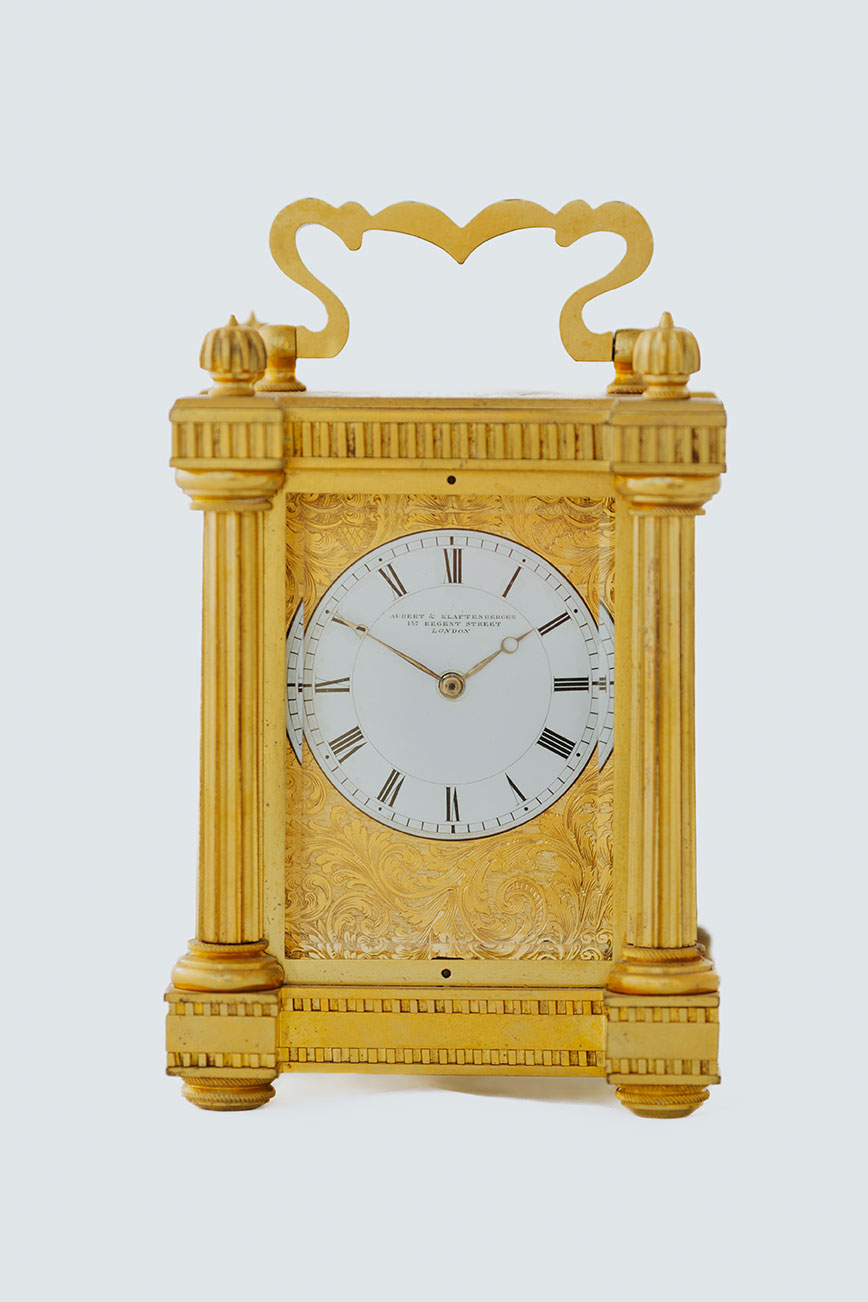
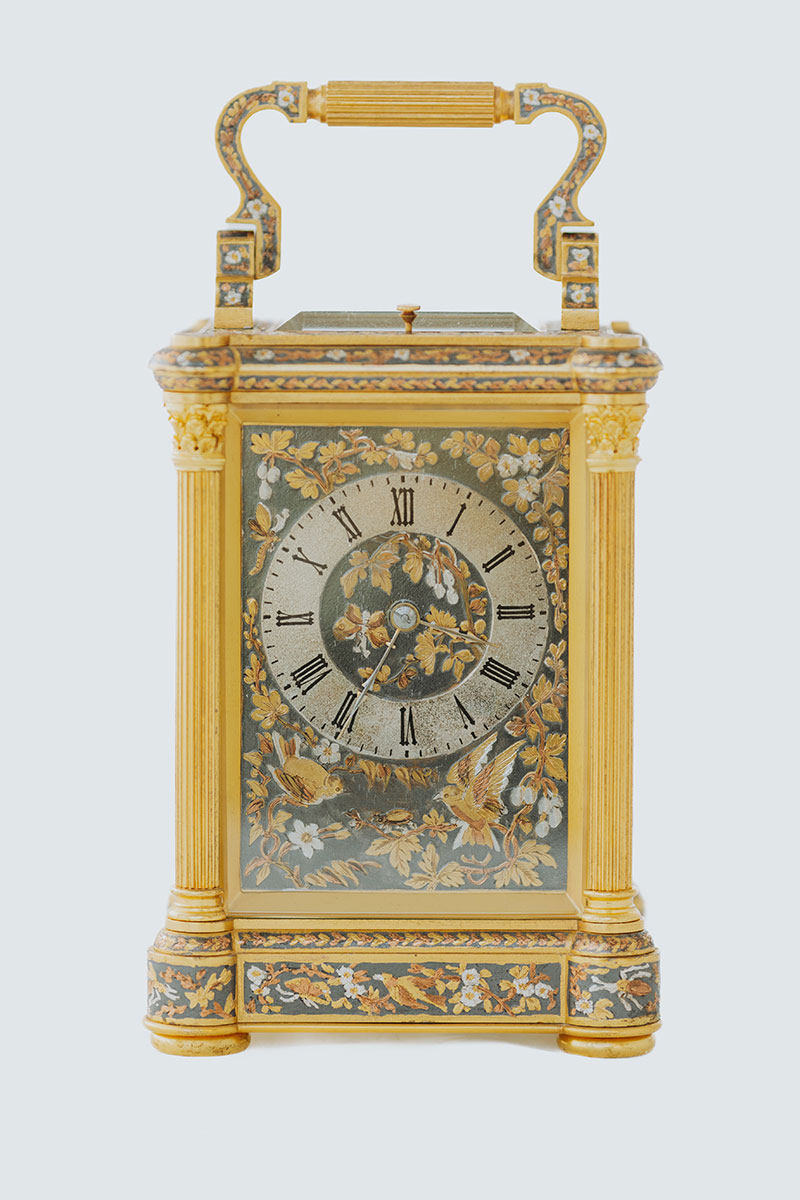
Our commitment to the preservation of these magnificent timepieces goes beyond mere curation.
At Patric Capon Fine Antique Clocks, we work with skilled artisans and horologists who meticulously restore and revive each clock to its former glory. We offer advice on the restoration process and can recommend partners that work to the highest industry standards, ensuring that the beauty, functionality, and historical significance of each piece are preserved for generations to come.
At Patric Capon Fine Antique Clocks, we work with skilled artisans and horologists who meticulously restore and revive each clock to its former glory. We offer advice on the restoration process and can recommend partners that work to the highest industry standards, ensuring that the beauty, functionality, and historical significance of each piece are preserved for generations to come.
Classic cars
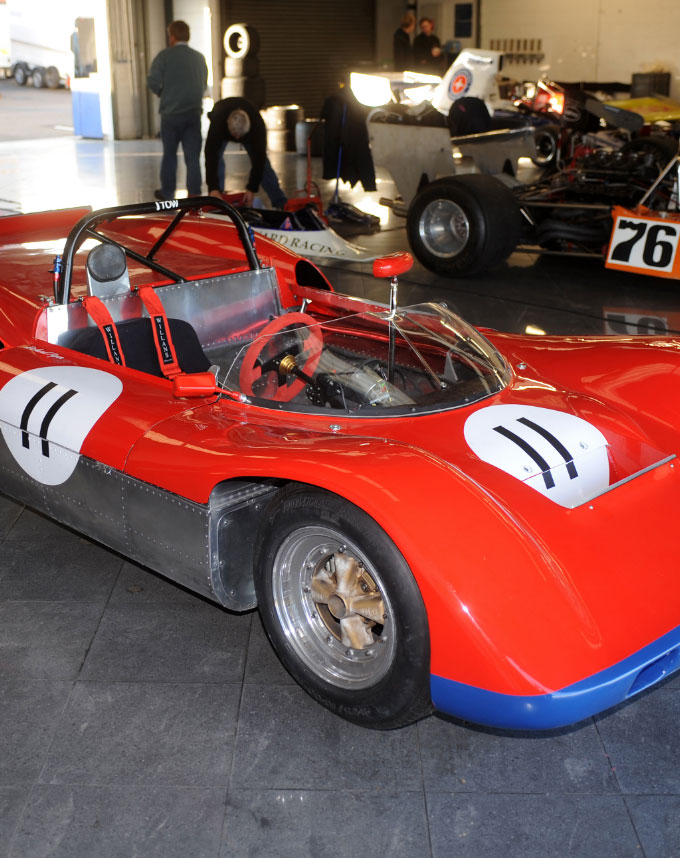
A tale of two passions:
In our office, the tick-tock of antique clocks harmoniously blends with the roar of classic car engines. Patric’s dual passions for classic cars and antique clocks go hand in hand. Please browse our classic car collection below.
In our office, the tick-tock of antique clocks harmoniously blends with the roar of classic car engines. Patric’s dual passions for classic cars and antique clocks go hand in hand. Please browse our classic car collection below.


About us
Founded by Patric Capon, a connoisseur with a profound love for horological treasures, our journey began over 40 years ago when a fascination with antique clocks turned into an enduring mission. Our flagship Islington showroom housed our collection for over 30 years. We now operate from Sandgate in Kent on an appointment only basis.

Contact us
We understand that choosing the perfect antique clock is a deeply personal journey. Whether you are a seasoned collector or a novice enthusiast, we are here to guide you through every step of the process. From providing historical context and provenance to offering advice on restoration, maintenance and care, we are committed to sharing our knowledge and passion with you.
Call us
07831444924
Email us
patriccapon@gmail.com
